Raise your hand if you’ve ever scrolled through social media and thought, “I’m just killing time”. Guilty as charged. But here’s the thing—social media isn’t just a harmless distraction. Behind every like, swipe, and share lies a world of surprises, manipulation, and shocking truths most people never realize.
I’ve spent years studying social media behavior, algorithms, and trends, and let me tell you—what you don’t know can hurt you. Here’s a deep dive into some of the most jaw-dropping facts about social media and how they impact your life.
1. Social Media Can Change Your Brain
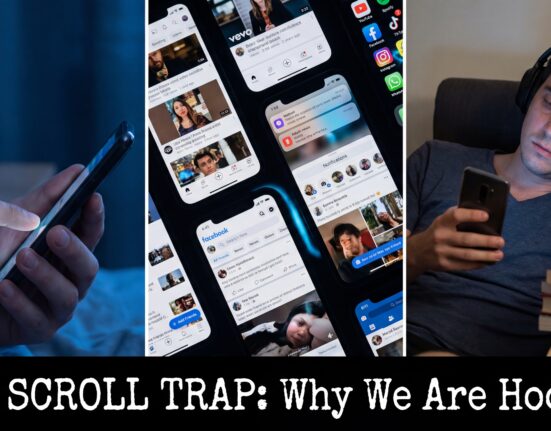
Yes, literally. Studies have shown that frequent social media use affects dopamine production—the same “reward chemical” triggered by eating chocolate or winning a game. That’s why getting likes can feel addictive.
- The more likes you get, the more your brain craves them.
- Scrolling endlessly can create anxiety, depression, or FOMO (fear of missing out).
- Teens and young adults are particularly vulnerable to these effects.
It’s no wonder we sometimes feel “compelled” to check notifications even in the middle of the night. Our brains are being rewired without our consent.
2. Algorithms Are Watching You Closely—Way Closer Than You Think
Ever noticed that after searching for shoes online, your social media feed suddenly floods with sneaker ads? That’s not coincidence. Algorithms track:
- Search history
- Likes, shares, and comments
- Time spent viewing certain content
- Even your scrolling speed
These algorithms are designed to keep you hooked. The shocking truth? Every move you make is data, feeding a machine learning system designed to maximize your engagement—often at the expense of your attention and mental health.
3. The Rise of Fake Accounts and Bots
You might think your followers are all real people. Surprise—they’re not. Studies suggest:
- Up to 15% of social media accounts may be bots or fake profiles.
- Bots amplify trends, manipulate opinions, and can even sway elections.
- Even celebrities and influencers struggle with fake engagement metrics.
If a post goes “viral,” sometimes it’s not even humans driving the traffic—it’s a mix of bots and algorithmic amplification. Scary, right?
4. Social Media Affects Your Sleep Without You Realizing
Ever stayed up scrolling “just one more post” and suddenly it’s 2 a.m.? You’re not imagining it—social media literally disrupts sleep cycles.
- Blue light from screens suppresses melatonin, the hormone that controls sleep.
- Engaging content keeps your brain alert when it should be winding down.
- Anxiety-inducing posts (news, politics, drama) spike cortisol, making sleep harder.
The shocking fact: chronic social media use can reduce deep sleep, affecting memory, focus, and overall health.
5. Social Media Can Make You Feel Worse About Yourself
Let’s be real: it’s rare that your feed shows the raw, messy side of life. It’s curated, filtered, and often deceptive.
- People post success, vacations, highlight reels—not struggles.
- Comparing your life to these curated snapshots can lead to low self-esteem.
- Research links excessive social media use to anxiety, depression, and body image issues.
The irony? The very platforms meant to connect us often leave us feeling more isolated.
6. Social Media Drives Instant Gratification—and Impatience
Humans evolved to crave rewards. Social media exploits that instinct mercilessly:
- A like, comment, or share triggers instant pleasure.
- Over time, this trains the brain to expect quick rewards.
- The result? Impatience and frustration when real-life achievements take time.
Think about it: it’s no longer satisfying to read a book or complete a long-term project without an immediate dopamine hit.
7. Your Privacy Is an Illusion
We all click “I agree” without reading terms, but here’s the ugly truth:
- Social media platforms collect massive amounts of personal data.
- They know your location, interests, habits, and connections.
- That data is sold to advertisers, data brokers, and sometimes political campaigns.
You’re not just scrolling—you’re broadcasting a detailed profile of yourself to the world.
8. Social Media Can Alter Your Perception of Reality
Ever noticed how outrage spreads faster than calm reasoning? That’s no accident. Algorithms prioritize content that triggers emotion—especially anger, fear, or excitement.
- Misinformation travels six times faster than verified news.
- You might believe certain “trends” or viral posts are factual when they’re fabricated.
- This affects politics, health, and social beliefs.
Your perception of reality is being shaped by invisible digital currents. That’s shocking—but true.
9. Highly Curated Influencer Lives Are Not Real
Influencers make you feel like everyone is living a glamorous, perfect life—but it’s mostly an illusion.
- Many posts are staged, filtered, and heavily edited.
- Some influencers rent luxury items for photos.
- The lifestyle you admire might exist only for your feed, not in real life.
Remember: comparison is the thief of joy. Don’t measure your life against curated fiction.
10. Social Media Can Be a Tool for Social Change—But It Has Limits
Not everything about social media is bad. It can:
- Raise awareness about causes
- Mobilize movements quickly
- Give marginalized voices a platform
But there’s a catch: online activism often stops at the “like” stage. Studies show that meaningful change requires offline action. Social media can inspire, but it rarely completes the mission by itself.
11. Social Media Addiction Is Real
The American Psychiatric Association now recognizes social media addiction as a legitimate behavioral problem. Signs include:
- Constantly checking your phone even without notifications
- Anxiety when unable to access platforms
- Sacrificing sleep, work, or relationships for scrolling
The shocking fact? Social media hooks your brain in ways similar to gambling or substance addiction.
12. Even “Private” Accounts Are Vulnerable
Think posting on private accounts keeps you safe? Think again:
- Screenshots, shared content, and hacking make total privacy impossible.
- Employers, schools, and brands often monitor online behavior.
- The digital footprint you leave today can affect your career tomorrow.
Privacy is no longer a guarantee—it’s a managed risk.
13. Social Media Can Boost Careers and Creativity
Okay, enough doom and gloom. Social media isn’t all bad—it’s also a powerful tool when used strategically:
- Freelancers and creators can find clients and opportunities
- Networking is easier than ever across continents
- Platforms allow sharing of ideas, work, and achievements instantly
The key is balance: use social media deliberately, not mindlessly.
14. Shocking Stats You Probably Didn’t Know
- Over 4.9 billion people use social media globally (over half the world’s population).
- The average person spends 2 hours 31 minutes per day on social media.
- TikTok’s algorithm can determine your “For You Page” preferences in as little as seconds.
- More than 70% of teens report checking social media multiple times per day.
These aren’t just numbers—they represent how deeply social media is embedded in modern life.
15. How to Stay Smart and Safe on Social Media
Here’s the practical side. Awareness alone isn’t enough—you need action:
- Limit screen time: Use app timers or “digital wellbeing” tools.
- Curate your feed: Follow accounts that inspire, not stress you.
- Fact-check: Don’t trust every viral post—verify sources.
- Protect privacy: Avoid oversharing personal info.
- Take breaks: Even short social media detoxes improve mental clarity.
Use social media consciously. Remember: it’s a tool, not your life.